1
Immediate Reaction
A red bump or small ring is common and can persist for weeks. This is usually local irritation — not Lyme disease (Lone Star ticks do not transmit Lyme).
Amblyomma americanum · Public Tracker
A growing threat in the South, Midwest, and Atlantic states. Explore reported sightings, confirmed identifications, and bite reports — and learn how to protect yourself, your family, and your pets from the most aggressive tick in North America.
Reports across the contiguous U.S. Click any marker for details. Use the filters to focus on what matters to you.
Identification
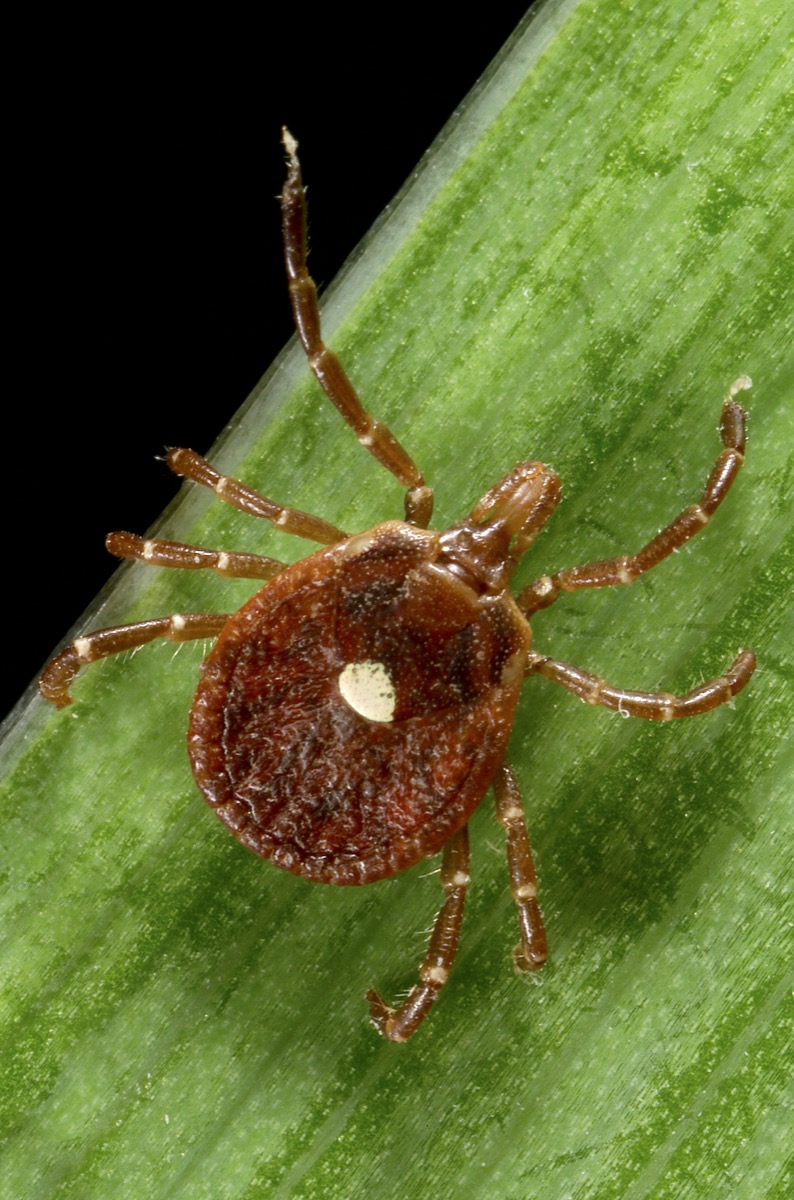
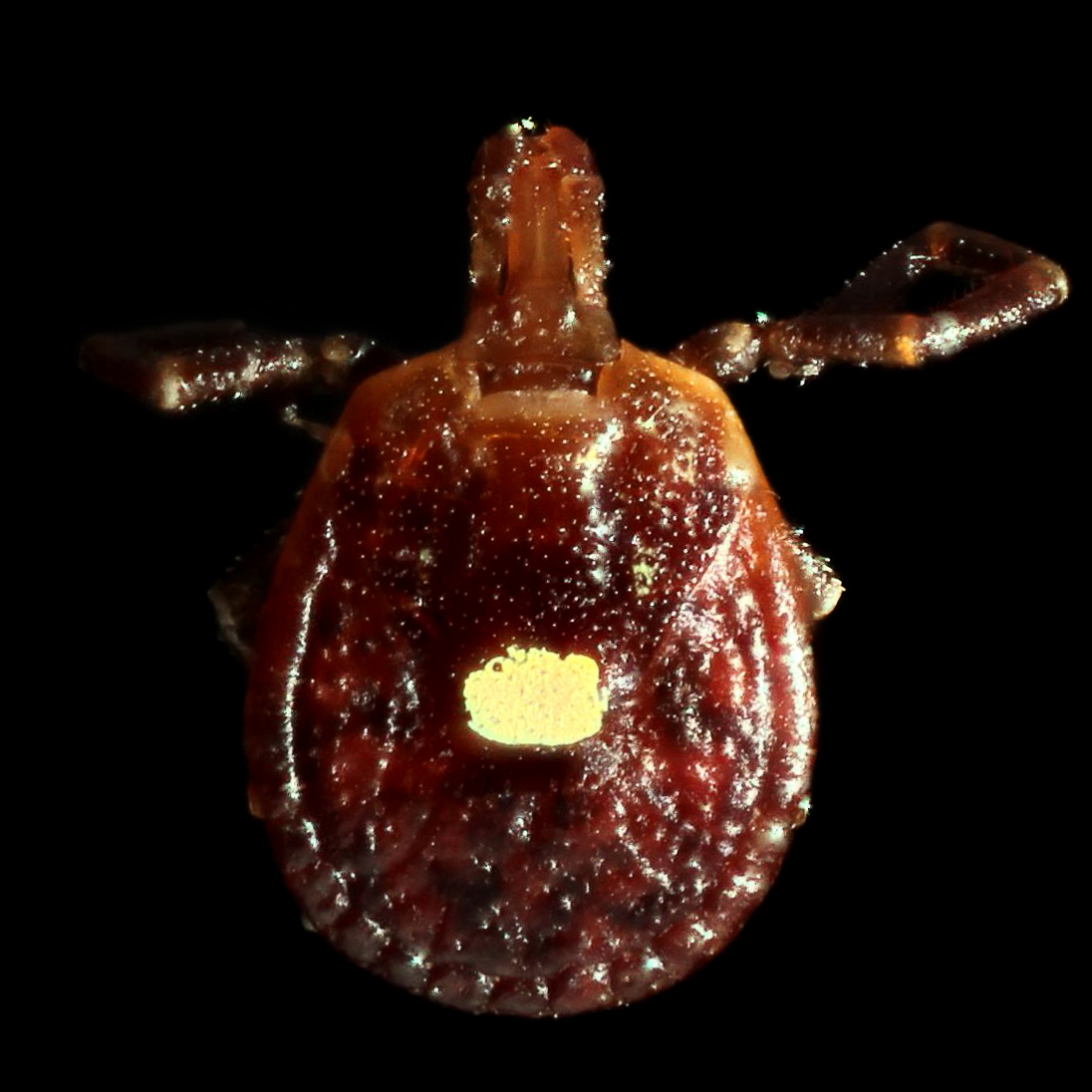
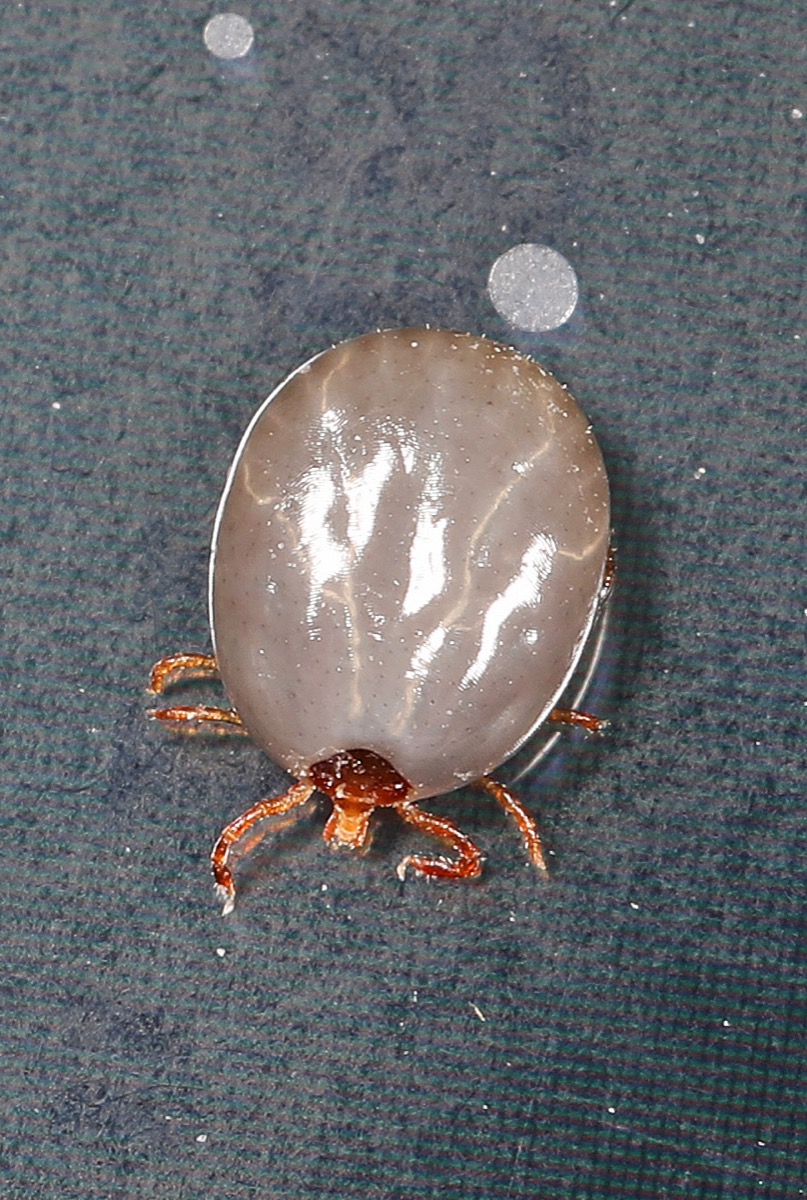
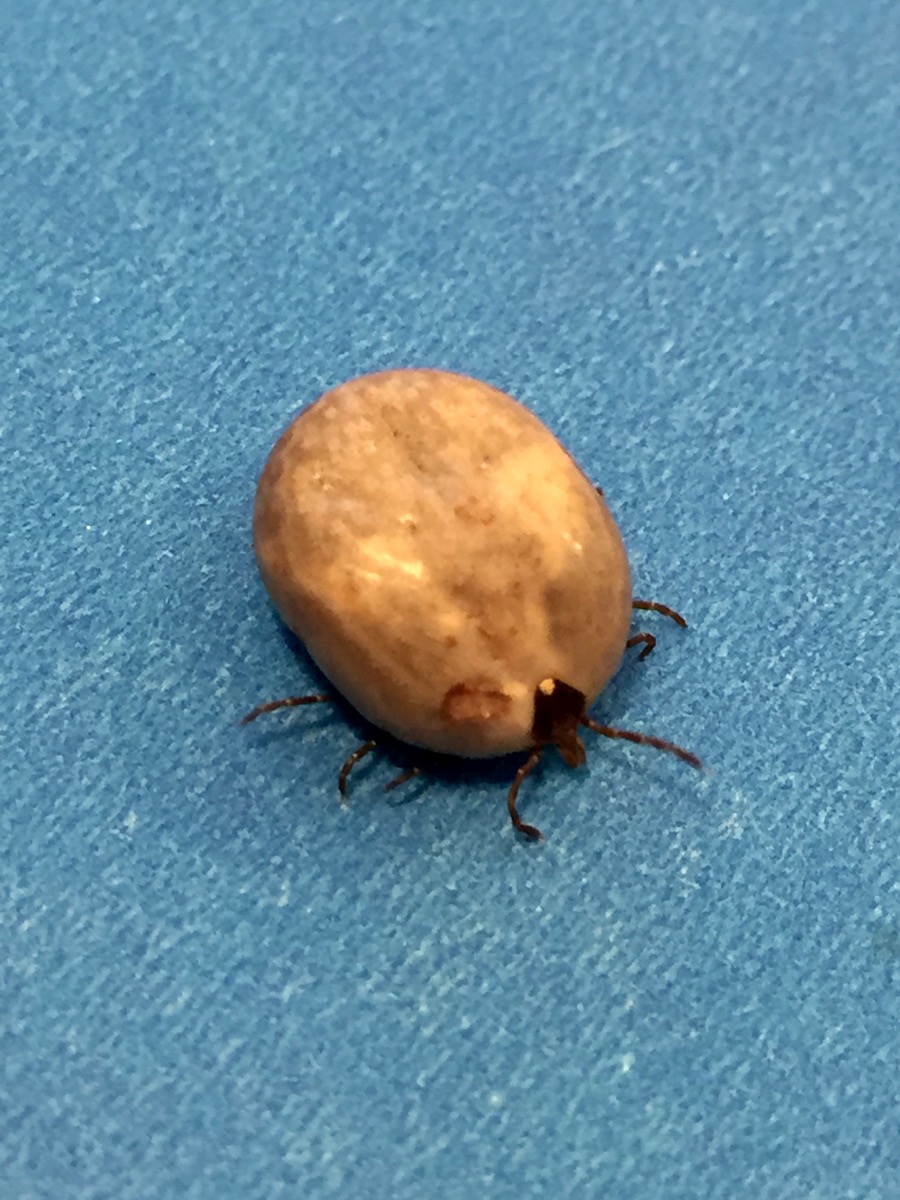
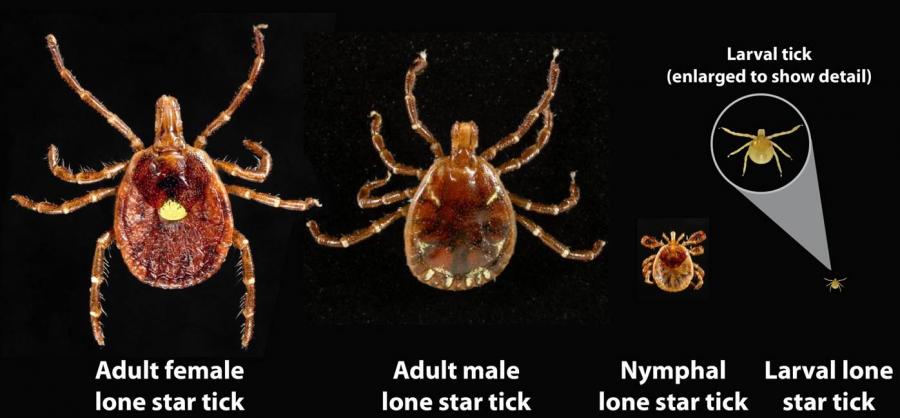
The Lone Star tick (Amblyomma americanum) is reddish-brown, round, and aggressive. Adult females carry the species' namesake — a single bright white-to-cream spot in the center of their back. Males are darker with faint white streaks along the edges.

Habitat & Range
Lone Star ticks thrive in shaded, humid, brushy environments — particularly the edges of woods, dense underbrush, tall grasses, and abandoned fields. White-tailed deer are their primary host, and the species' range has expanded sharply alongside booming deer populations.
Southeast and South-Central U.S. — from East Texas to the Atlantic coast, north through Missouri, Kentucky, and Virginia.
Now established in the Lower Midwest and Mid-Atlantic, with reproducing populations documented in New York, New England, and parts of the Upper Midwest.
Adults peak April–July. Nymphs (the most likely to bite people) peak May–August. Larvae cluster in late summer.
Leaf litter, shaded transition zones between lawn and forest, brush piles, and tall grass at trail edges.
If You're Bitten
Bites are often painless at first. Most do not transmit disease, but Lone Star ticks are linked to several serious illnesses and to lifelong red-meat allergies. Know the signs.
A red bump or small ring is common and can persist for weeks. This is usually local irritation — not Lyme disease (Lone Star ticks do not transmit Lyme).
Southern Tick-Associated Rash Illness can produce a Lyme-like bullseye rash with fatigue, headache, fever, and muscle aches. Treated with antibiotics.
A serious bacterial illness: fever, chills, severe headache, muscle pain. Onset 1–2 weeks after bite. Seek treatment quickly — it can be life-threatening.
Rarer but documented. Symptoms include sudden high fever, swollen lymph nodes, and ulcers. Heartland virus has no specific treatment — supportive care only.
A delayed, potentially severe allergy to red meat triggered by a single bite. See the section below — this is the bite's most life-changing risk.
Use fine-tipped tweezers as close to the skin as possible. Pull straight up, slowly and steadily. Clean the area. Save the tick in a sealed bag if symptoms develop.
Spotlight
The Lone Star tick is the primary U.S. trigger of Alpha-Gal Syndrome (AGS) — an acquired allergy to galactose-α-1,3-galactose, a sugar found in most mammalian meat (beef, pork, lamb, venison) and many dairy and gelatin products.
CDC estimates suggest ~450,000 Americans may have AGS — most undiagnosed.
Stay Safe
You don't have to stay indoors. A few habits dramatically lower your risk.
DEET (20–30%), picaridin, IR3535, or oil of lemon eucalyptus on skin. Permethrin on clothing — it kills ticks on contact and lasts through washes.
Light colors (so you can spot ticks), long sleeves, long pants tucked into socks, closed shoes. Treat boots and pants with permethrin.
Walk in the center of trails. Skip the brushy edges and leaf litter. Stay off tall grass and unmaintained paths during peak season.
Within 2 hours of coming inside, check scalp, ears, armpits, waist, behind knees, and groin. Shower to wash off unattached ticks.
10 minutes in a hot dryer kills any ticks on clothing. Wash on hot afterward if dirty.
Use vet-approved tick prevention year-round. Check dogs and cats after outdoor time — ticks ride indoors on them.
Mow regularly, clear leaf litter, create a 3-foot wood-chip barrier between lawn and woods, and discourage deer with fencing or plants they avoid.
Be most vigilant April through August, especially during humid spells after rain.
Citizen reports help track the species' spread. Submit a sighting with your location, a photo if possible, and any bite details.